Surah Al-A'raf 7:176 describes a man who was given knowledge of Allah's signs and turned away from them anyway. Allah compares him to a dog: pant if you chase it, pant if you leave it alone. That's the real subject of the comparison. A person whose behaviour never changes, no matter what happens around him.
Key takeaways
- The verse describes someone who had access to divine knowledge but chose worldly desire instead.
- The dog image points to a fixed, unchanging state. The man's neglect doesn't shift with circumstances.
- Most classical commentators read this as a warning against knowing the truth and still walking away from it.
- Two names come up often in the tafsir literature for who this verse may describe, though the Quran itself does not name him.
- The verse ends by telling the Prophet ﷺ to relate these stories so that people reflect. The aim is self-examination.
What Surah Al-A'raf 7:176 means
The verse opens with a conditional: if Allah had willed it, this man could have been raised up by the very signs given to him. Instead, he "clung to the earth" and followed his own desire. The Arabic word for that clinging is akhlada. It describes settling into something over time, taking root in it. This isn't one bad day. It's years of choosing the same thing.
Then comes the dog comparison. The word used for the dog's panting, lahath, describes the open-mouthed, tongue-out breathing a dog does under exertion. Oddly, a dog does this even at rest, when nothing is chasing it. Most animals only pant like this under stress. A dog does it constantly. That's the picture Allah draws: a person whose spiritual state doesn't respond to blessing or hardship. Give him guidance and he still pants. Take it away and he still pants. Nothing about him changes.
Who was this verse about?
The Quran doesn't name him, and out of respect for that choice, most classical scholars avoid speculating too far. Two names appear repeatedly across tafsir literature: Bal'am ibn Ba'ura, a scholar from the time of Musa (peace be upon him) who is said to have used his knowledge against his own people, and Umayyah ibn Abi al-Salt, a poet from the Prophet Muhammad's ﷺ era who reportedly recognised the signs of prophethood in the scripture he'd studied, yet refused to accept it out of pride. Different tafsirs favour different accounts, and some scholars simply treat the story as a type rather than a single historical figure. Ego winning out over evidence isn't confined to one person in the seventh century.
How translations render this verse
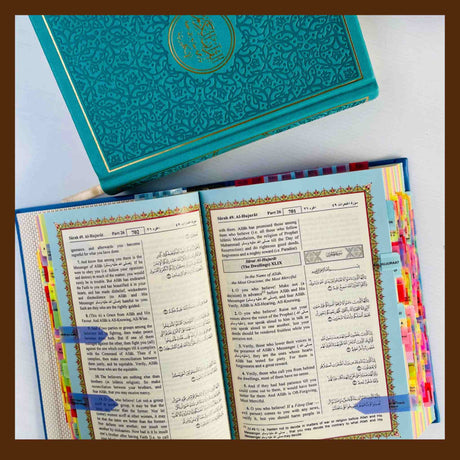
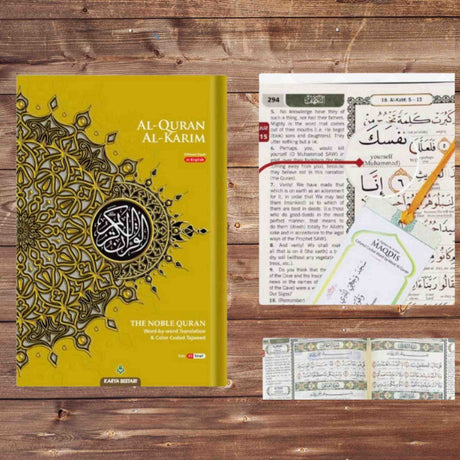
Reading more than one English translation side by side can sharpen the meaning. Abdullah Yusuf Ali's rendering leans into the physical image, describing the man as one who "inclined to the earth." Other widely used translations, including Dr Muhammad Muhsin Khan's, keep closer to the plain sense of "clung to" or "adhered to" the world. Neither is wrong. They're emphasising slightly different shades of the same Arabic root. If you're working through a Quran with parallel translation and transliteration, this verse is worth comparing across editions to see how translators handle akhlada differently.
Quick tips for daily life
- Protect your prayer times. Guidance that doesn't get acted on is the exact failure this verse describes.
- Read tafsir alongside translation, not instead of it. What a verse says and why it says it that way aren't the same question.
- Pay attention to your consistency rather than your mood. The dog in the verse pants no matter what happens to it. Check whether your own practice holds steady the same way, in ease and in difficulty.
- Treat Islamic knowledge as something to apply, not just something to collect.
- Talk to someone knowledgeable when a verse unsettles you. A five-minute conversation often clarifies more than an hour of searching alone.
- Set a short weekly check-in with yourself. What pulled you toward the world this week? What pulled you toward guidance? Writing it down keeps the lesson practical instead of abstract.
- Hold blessings loosely. The verse's warning is really about attachment, and gratitude for what you have is different from gripping it.
Tag this verse so you can find it again
A verse like 7:176 is easy to nod at once and forget. Tagging it means the next time you're flipping through your Quran, or the next time life hands you a reminder of it, you don't have to go searching.
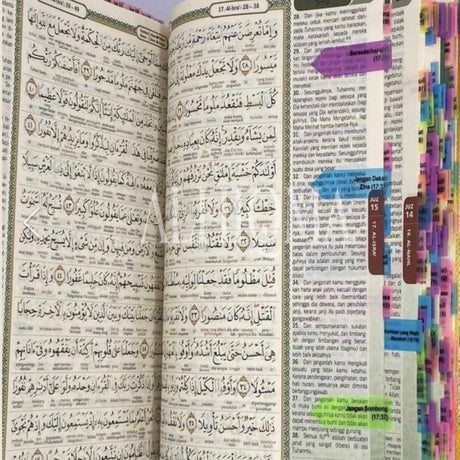
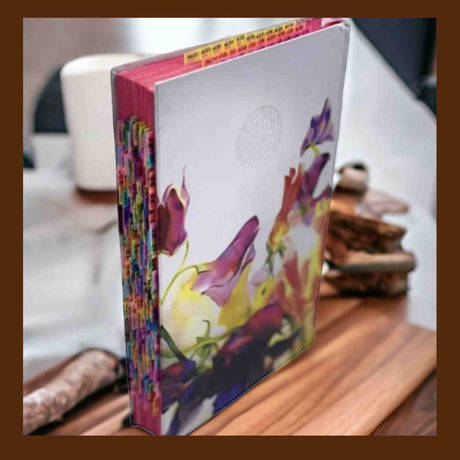
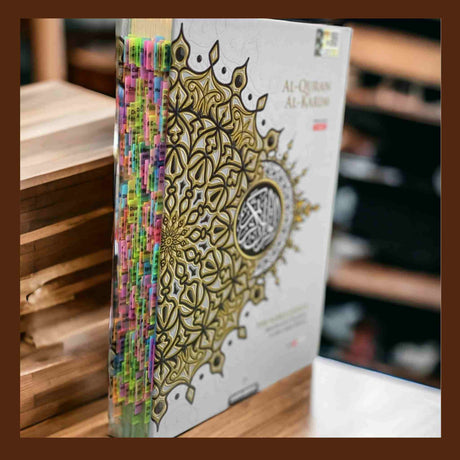
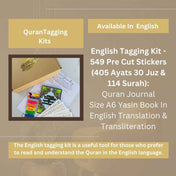
If you're working through a tagged Quran, this verse falls under Surah 7: Al-A'raf in our colour-coded system. If your copy isn't tagged yet, the Al-Quran Tagging Service covers your existing Quran with the full 549-tag set, or you can build your own habit of marking verses like this with the Al-Quran Tagging Kit, available in English or Malay.
For readers who want to slow down with a verse before tagging it, our Step-by-Step Guide to Tadabbur walks through a simple method for reflective Quran reading.
Related verses
-
Surah Al-Qasas 28:50 asks who is more lost than someone who follows desire without guidance from Allah.
-
Surah Al-Jathiyah 45:23 describes a person who has effectively made his own desire into his god.
-
Surah Al-A'raf 7:146 warns that those who reject every sign, however clear, still won't take the straight path.
- Surah Muhammad 47:16 describes listeners whose hearts are sealed against what they hear.
Frequently asked questions
Why does Surah Al-A'raf 7:176 compare a heedless person to a dog?
Because a dog pants constantly, regardless of whether it's under threat or at rest. The comparison illustrates a person whose spiritual neglect doesn't change with circumstances. Blessed or tested, he stays the same.
Who is the man described in Surah Al-A'raf 7:176?
The Quran doesn't name him. Tafsir literature most often points to either Bal'am ibn Ba'ura or Umayyah ibn Abi al-Salt, though some scholars treat the description as representing a type of person rather than one individual.
What does "akhlada" mean in this verse?
It describes clinging to or settling into the world. A single lapse doesn't do this; a deeper attachment that takes root over time does.
How can Muslims avoid falling into the pattern this verse describes?
Keep knowledge connected to action. Pray consistently, and treat what you study as something to apply, not just something to read about.
How does this verse connect to the wider message of the Quran?
This connects to a theme that runs through the Quran: knowledge without follow-through pulls people away from guidance. The Quran treats turning away from truth as a decision, not a mistake.