Key Takeaways
- Life's ultimate purpose is worship: The Quran clarifies that our existence centers on worshipping Allah, transforming every daily action into an opportunity for spiritual connection when done with the right intention.
- This world is a temporary test: Both blessings and hardships serve as trials designed to bring us closer to Allah, reminding us that worldly pursuits are fleeting while eternal life awaits.
- Time is precious and actionable: Success comes through faith, righteous deeds, and encouraging one another toward truth and patience, making every moment an investment in our eternal destination.
Here are some insightful verses from the Quran that pertain to life, its purpose, and how to live meaningfully:
-
"And I did not create the jinn and mankind except to worship Me."
— Surah Adh-Dhariyat (51:56)
This verse reminds us of the primary purpose of our existence, which is to worship and serve Allah. -
"Every soul will taste death. And We test you with evil and with good as trial; and to Us you will be returned."
— Surah Al-Anbiya (21:35)
This verse emphasizes that life is a test, with both hardships and blessings meant to guide us and bring us closer to Allah. -
"Indeed, We created man from a drop of fluid, to test him; and We made him hearing and seeing."
— Surah Al-Insan (76:2)
This verse highlights the journey of life as a test and affirms that we have been given the faculties to navigate it mindfully. -
"And do not kill the soul which Allah has forbidden, except by right. And whoever is killed unjustly – We have given his heir authority, but let him not exceed limits in taking life. Indeed, he has been supported [by the law]."
— Surah Al-Isra (17:33)
This verse underscores the sanctity of life and the justice that must be upheld in all situations. -
"Know that the life of this world is but amusement and diversion and adornment and boasting to one another and competition in increase of wealth and children. Like the example of a rain whose [resulting] plant growth pleases the tillers; then it dries, and you see it turned yellow; then it becomes [scattered] debris. And in the Hereafter is severe punishment and forgiveness from Allah and approval. And what is the worldly life except the enjoyment of delusion?"
— Surah Al-Hadid (57:20)
This verse encourages us to look beyond worldly pursuits, understanding them as temporary, and to focus on the eternal life to come. -
"By time, indeed, mankind is in loss, except for those who have believed and done righteous deeds and advised each other to truth and advised each other to patience."
— Surah Al-Asr (103:1-3)
This chapter emphasizes the fleeting nature of time and urges us to live a life of faith, righteousness, and mutual support. -
"And whatever you have of favor – it is from Allah. Then when adversity touches you, to Him you cry for help."
— Surah An-Nahl (16:53)
This verse encourages gratitude and reliance on Allah in both good times and hardships.
These verses provide deep insights into the nature of life, urging us to live with purpose, gratitude, and a focus on our relationship with Allah and others.
Practical Applications for Daily Life
For Working Professionals
Begin your workday by reflecting on Surah Adh-Dhariyat (51:56) during your morning coffee. Realize that even your job becomes worship when approached with good intentions and ethical practices. When career achievements feel empty or workplace politics drain you, remember Surah Al-Hadid (57:20) about worldly pursuits being temporary. Use your lunch break to mentally check whether your professional goals align with your spiritual purpose, adjusting your intentions to make your work meaningful beyond the paycheck.
For Parents Managing Multiple Responsibilities
Transform everyday parenting challenges by remembering Surah Al-Anbiya (21:35) when your child misbehaves or family finances feel tight. These moments are tests that shape both you and your children spiritually. Create a bedtime ritual where you share with your children one blessing and one challenge from the day, teaching them early about life's dual nature as a test. Display Surah Al-Asr beautifully in your home as a family reminder that time spent nurturing faith and supporting each other is never wasted.
For Students and Lifelong Learners
Before studying or taking exams, recite Surah Al-Insan (76:2) to remember that Allah gave you hearing and seeing to navigate life's tests wisely. When academic pressure mounts or career choices feel overwhelming, return to Surah Adh-Dhariyat (51:56) to realign your educational pursuits with your ultimate purpose of worshipping Allah. Let this perspective ease anxiety by reminding you that success is measured not just by grades but by how your knowledge brings you closer to your Creator and benefits others.
For Those Experiencing Life Transitions or Uncertainty
During major life changes like marriage, career shifts, or moving homes, hold onto Surah An-Nahl (16:53) which reminds you that every blessing comes from Allah and He remains your refuge during difficulties. When comparison with others on social media triggers feelings of inadequacy, read Surah Al-Hadid (57:20) to remember that worldly competition is ultimately meaningless. Focus instead on building what lasts beyond this temporary life, making decisions based on eternal values rather than fleeting trends.
Frequently Asked Questions
Q: What does the Quran say is the main purpose of life?
A: According to Surah Adh-Dhariyat (51:56), Allah created humans and jinn specifically to worship Him. However, worship in Islam is not limited to ritual prayers alone. It encompasses every action done with sincere intention to please Allah, from caring for your family to working honestly to showing kindness to others. This means your entire life can become an act of worship when you align your intentions with seeking Allah's pleasure, transforming mundane daily activities into spiritually meaningful experiences.
Q: How can busy Muslim mothers apply these verses about life's purpose to their daily routines?
A: Start by reframing your daily responsibilities through the lens of worship. Preparing meals, helping with homework, and managing household tasks all become acts of worship when done to please Allah and nurture your family. When feeling overwhelmed, remember Surah Al-Anbiya (21:35) that life's challenges are tests designed to bring you closer to Allah. Take five minutes during children's nap time or after they sleep to reflect on one verse from this collection, allowing it to reshape how you view your day's challenges and blessings.
Q: Why does the Quran describe life as a test, and what are we being tested on?
A: The Quran presents life as a test to see how we respond to both blessings and hardships with faith and good character. We're tested on our gratitude during ease, our patience during difficulty, our choices between right and wrong, and how we treat others. As Surah Al-Insan (76:2) explains, Allah created us with the faculties of hearing and seeing specifically to navigate this test mindfully. Understanding life as a test helps us maintain perspective during challenges and remain humble during success, knowing both are temporary and purposeful.
Q: How do I balance enjoying this life while remembering it's temporary, as mentioned in Surah Al-Hadid?
A: Islam does not require rejecting all worldly pleasures, but rather maintaining proper perspective about them. Enjoy your family, career achievements, and beautiful possessions while remembering they are gifts from Allah to be grateful for, not ultimate goals to obsess over. The key is moderation and intention. Pursue worldly needs without letting them distract from your spiritual growth and eternal preparation. When you find yourself excessively stressed about material matters or comparing yourself to others, return to Surah Al-Hadid (57:20) to recalibrate your priorities.
Q: What practical steps can I take to live more purposefully according to these Quranic teachings?
A: Begin each day by renewing your intention to live for Allah's pleasure, making even routine tasks worship. Practice gratitude by acknowledging that every blessing comes from Allah, as Surah An-Nahl (16:53) teaches. Implement the guidance of Surah Al-Asr by doing at least one righteous deed daily, learning one new Islamic teaching, and encouraging someone toward truth or patience. Regularly reflect on these verses, perhaps keeping them visible in your home or workspace, and assess whether your daily choices align with your ultimate purpose of preparing for eternal life.
About the Author
This article was written by Sheela M. Ahmed, founder and owner of AlHiqma, blending traditional Islamic teachings with contemporary Muslim experiences. Since establishing AlHiqma in 2018, she has been dedicated to helping Muslim families strengthen their connection to faith through authentic Islamic lifestyle education grounded in values from the Quran and real-life applications.
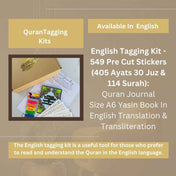
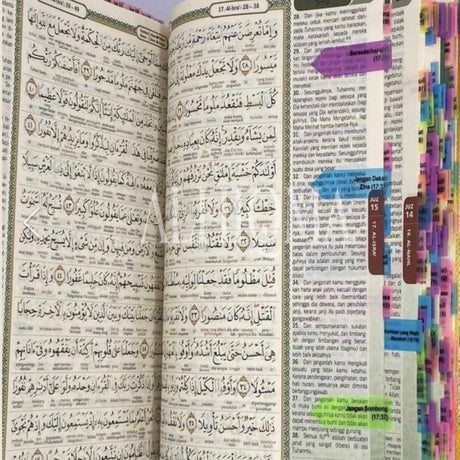
Enhance your understanding of life's purpose with meaningful spiritual practices. Explore AlHiqma's Al-Quran Collection and Quran Tagging Kits to support your daily reflection with authentic resources designed for contemporary Muslim homes. Our color-coded tagging system helps you easily find and revisit verses about life's purpose whenever you need spiritual clarity and direction.
We want to hear from you! How do these verses about life's purpose resonate with your daily experiences? What helps you stay focused on your spiritual goals while managing worldly responsibilities? Share your reflections, life lessons, and spiritual insights with our AlHiqma community through our social media platforms. Your stories inspire and encourage fellow Muslims on their spiritual journeys—let's grow together in faith!