Key Takeaways
- Honouring parents ranks immediately after worshipping Allah: The Quran repeatedly links gratitude to Allah with gratitude to parents, showing that respecting and caring for them is among the highest obligations in Islam
- Mothers deserve special recognition for their sacrifices: Multiple verses specifically mention the hardships mothers endure during pregnancy, childbirth, and nursing, calling believers to acknowledge these profound sacrifices with deep gratitude.
- Kindness to parents is required even during disagreement: Even when parents make unreasonable demands or oppose your faith, the Quran commands maintaining respectful treatment and compassionate speech, demonstrating that parental honour transcends conflict.
Here are several verses that highlight the importance of kindness, respect, and dutifulness toward parents:
-
"And We have enjoined upon man [care] for his parents. His mother carried him, [increasing her] in weakness upon weakness, and his weaning is in two years. Be grateful to Me and to your parents; to Me is the [final] destination."
— Surah Luqman (31:14)
This verse emphasises gratitude toward parents, especially the sacrifices of mothers, and reminds us that both gratitude to Allah and our parents are essential. - li>
"And your Lord has decreed that you not worship except Him, and to parents, good treatment. Whether one or both of them each old age [while] with you, say not to them [so much as], 'uff,' and do not repel them but speak to them a noble word."
— Surah Al-Isra (17:23)
This verse commands kindness and respect to parents, especially as they age, forbidding even minor expressions of frustration.
-
"And lower to them the wing of humility out of mercy and say, 'My Lord, have mercy upon them as they brought me up [when I was] small.'"
— Surah Al-Isra (17:24)
This verse instructs us to approach our parents with humility and compassion and to pray for them as they once cared for us. -
"We have enjoined upon man, to his parents, good treatment. His mother carried him with hardship and gave birth to him with hardship, and his gestation and weaning [period] is thirty months. [He grows] until, when he reaches maturity and reaches [the age of] forty years, he says, 'My Lord, enable me to be grateful for Your favour which You have bestowed upon me and upon my parents and to work righteousness of which You will approve and make righteous for me my offspring. Indeed, I have repented to You, and indeed, I am of the Muslims.'"
— Surah Al-Ahqaf (46:15)
This verse highlights the mother’s sacrifices, gratitude for both parents, and a prayer for righteous offspring, linking generations through kindness and faith. -
"But if they endeavour to make you associate with Me that of which you have no knowledge, do not obey them but accompany them in [this] world with appropriate kindness and follow the way of those who turn back to Me [in repentance]. Then to Me will be your return, and I will inform you about what you used to do."
— Surah Luqman (31:15)
This verse advises maintaining respect and kindness toward parents even if they urge one to go against faith, showing the importance of both respect and spiritual integrity. -
"And We have enjoined upon man, to his parents, good treatment. But if they strive to make you associate with Me that of which you have no knowledge, do not obey them. To Me is your return, and I will inform you about what you used to do."
— Surah Al-Ankabut (29:8)
This verse reiterates the importance of good treatment of parents, balanced with the obligation to remain steadfast in one’s faith.
These verses underscore the significance of treating parents with compassion, respect, and humility, regardless of circumstances, while maintaining commitment to Allah.
Practical Applications for Daily Life
For Working Professionals
Despite demanding work schedules, honour the command in Surah Al-Isra (17:23) by calling your parents at least twice weekly at times convenient for them, not just when you need something. When work stress makes you impatient, remember that even saying "uff" to your parents is forbidden, so pause and breathe before responding to their calls or messages. If your parents live nearby, schedule regular visits into your calendar like important work meetings, treating time with aging parents as the high priority it is in Islam.
For Parents Managing Multiple Responsibilities
Model respect for your own parents so your children learn this obligation naturally. When your parents offer unsolicited parenting advice that frustrates you, practice the humility described in Surah Al-Isra (17:24) by listening graciously even if you ultimately choose differently. Involve your children in caring for their grandparents through simple acts like making dua together using the prayer "My Lord, have mercy upon them as they brought me up when I was small," teaching them early that honouring grandparents is part of Islamic practice.
For Adult Children with Aging Parents
As your parents' health and abilities decline, remember Surah Al-Isra (17:23) which specifically addresses caring for parents in old age. Transform daily caregiving tasks like helping with medication, driving to appointments, or managing their affairs into acts of worship by renewing your intention to please Allah through serving them. When they repeat the same stories or ask the same questions multiple times, respond with the "noble word" and patience commanded in the verse, remembering they once patiently answered your endless childhood questions.
For Those with Difficult Parent Relationships
Even when your parents are critical, controlling, or emotionally distant, Surah Luqman (31:15) and Surah Al-Ankabut (29:8) require maintaining "appropriate kindness" and "good treatment." This means setting healthy boundaries while still speaking respectfully, financially supporting them if they need it even when the relationship is strained, and making sincere dua for them despite past hurts. Your obligation is to treat them well, not to receive their approval or affection in return, trusting that Allah sees your efforts and will reward your patience.
Frequently Asked Questions
Q: Why does the Quran place such high importance on respecting and caring for parents?
A: The Quran repeatedly links obedience to Allah with honouring parents, as seen in Surah Al-Isra (17:23) which commands worship of Allah alone immediately followed by good treatment of parents. This reflects several realities: parents are the reason for our existence after Allah, mothers especially undergo tremendous sacrifice as detailed in Surah Luqman (31:14) and Surah Al-Ahqaf (46:15), parents invest years nurturing children when they are completely dependent, and treating parents well reflects gratitude to Allah for the gift of life and upbringing. Honouring parents teaches us humility, patience, and selfless service that benefit our entire character and relationship with Allah.
Q: How should Muslim children balance their parents' expectations with their own life choices?
A: Islam requires respectful treatment and obedience to parents in all matters except those that contradict faith, as clarified in Surah Luqman (31:15) and Surah Al-Ankabut (29:8). For major decisions like education, career, or marriage, consult your parents sincerely and consider their wisdom, but ultimately you are accountable to Allah for your choices. Communicate your decisions respectfully using the "noble word" commanded in Surah Al-Isra (17:23), explain your reasoning calmly, and maintain kindness even if they disagree. You can honour your parents' feelings without necessarily following every preference, especially when their expectations conflict with Islamic principles or your genuine well-being.
Q: What specific actions constitute good treatment of parents according to these verses?
A: These verses outline several concrete obligations: speaking to parents with noble, respectful words and never expressing frustration even through sighs or facial expressions (Surah Al-Isra 17:23), approaching them with humility and gentleness as described by "lowering the wing of humility" (Surah Al-Isra 17:24), making regular dua for Allah's mercy upon them (Surah Al-Isra 17:24), expressing gratitude for their sacrifices especially those of mothers (Surah Luqman 31:14 and Surah Al-Ahqaf 46:15), providing for their needs particularly in old age, seeking their forgiveness for past wrongs, and maintaining these standards even when parents are difficult or oppose your faith (Surah Luqman 31:15). Small consistent kindnesses matter more than occasional grand gestures.
Q: How can Muslims honour parents who have passed away?
A: Though these verses primarily address living parents, the dua in Surah Al-Isra (17:24) "My Lord, have mercy upon them as they brought me up when I was small" becomes even more crucial after parents pass, as they can no longer earn rewards themselves but benefit from our prayers. Additional ways to honor deceased parents include making regular dua and asking forgiveness for them, giving charity on their behalf, performing Hajj or Umrah for them if they couldn't, maintaining relationships with their friends and relatives, fulfilling any unfulfilled promises or debts they left, continuing any charitable projects they started, and raising your own children with the same values they tried to instill in you, ensuring their legacy of faith continues.
Q: What should adult children do when caring for aging parents becomes overwhelming?
A: Remember that Surah Al-Isra (17:23) specifically addresses the challenges of elderly parents, showing Allah understands this difficulty. First, renew your intention daily to serve your parents as worship, which transforms burden into blessing. Seek practical help from siblings, extended family, or professional caregivers rather than trying to do everything alone, as Islam values community support. Make sincere dua using Surah Al-Isra (17:24) asking Allah for strength and patience. Take care of your own physical and mental health so you can sustain long-term caregiving. Remember that your children are watching how you treat your aging parents and will likely treat you the same way in your old age, as mentioned in the generational connection of Surah Al-Ahqaf (46:15).
About the Author
This article was written by Sheela M. Ahmed, founder and owner of AlHiqma, blending traditional Islamic teachings with contemporary Muslim experiences. Since establishing AlHiqma in 2018, she has been dedicated to helping Muslim families strengthen their connection to faith through authentic Islamic lifestyle education grounded in values from the Quran and real-life applications.
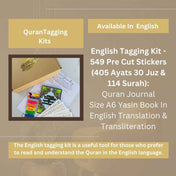
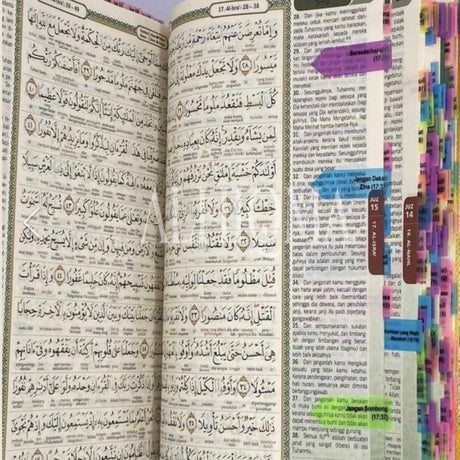
Strengthen your family bonds with meaningful spiritual practices. Explore AlHiqma's Al-Quran Collection and Quran Tagging Kits to support your daily reflection on family values with authentic resources designed for contemporary Muslim homes. Our colour-coded tagging system helps you easily find and revisit verses about honouring parents, enabling you to teach your children this essential Islamic obligation through direct engagement with Allah's words.
We want to hear from you! How do you practice honouring your parents in your daily life? What challenges do you face in balancing parental respect with modern responsibilities? Share your experiences, family traditions around caring for parents and grandparents, and reflections with our AlHiqma community through our social media platforms. Your stories inspire and encourage fellow Muslims navigating these sacred relationships—let's grow together in faith!
Here are several verses that highlight the importance of kindness, respect, and dutifulness toward parents:
-
"And We have enjoined upon man [care] for his parents. His mother carried him, [increasing her] in weakness upon weakness, and his weaning is in two years. Be grateful to Me and to your parents; to Me is the [final] destination."
— Surah Luqman (31:14)
This verse emphasises gratitude toward parents, especially the sacrifices of mothers, and reminds us that both gratitude to Allah and our parents are essential. -
"And your Lord has decreed that you not worship except Him, and to parents, good treatment. Whether one or both of them reach old age [while] with you, say not to them [so much as], 'uff,' and do not repel them but speak to them a noble word."
— Surah Al-Isra (17:23)
This verse commands kindness and respect to parents, especially as they age, forbidding even minor expressions of frustration. -
"And lower to them the wing of humility out of mercy and say, 'My Lord, have mercy upon them as they brought me up [when I was] small.'"
— Surah Al-Isra (17:24)
This verse instructs us to approach our parents with humility and compassion and to pray for them as they once cared for us. -
"We have enjoined upon man, to his parents, good treatment. His mother carried him with hardship and gave birth to him with hardship, and his gestation and weaning [period] is thirty months. [He grows] until, when he reaches maturity and reaches [the age of] forty years, he says, 'My Lord, enable me to be grateful for Your favour which You have bestowed upon me and upon my parents and to work righteousness of which You will approve and make righteous for me my offspring. Indeed, I have repented to You, and indeed, I am of the Muslims.'"
— Surah Al-Ahqaf (46:15)
This verse highlights the mother’s sacrifices, gratitude for both parents, and a prayer for righteous offspring, linking generations through kindness and faith. -
"But if they endeavour to make you associate with Me that of which you have no knowledge, do not obey them but accompany them in [this] world with appropriate kindness and follow the way of those who turn back to Me [in repentance]. Then to Me will be your return, and I will inform you about what you used to do."
— Surah Luqman (31:15)
This verse advises maintaining respect and kindness toward parents even if they urge one to go against faith, showing the importance of both respect and spiritual integrity. -
"And We have enjoined upon man, to his parents, good treatment. But if they strive to make you associate with Me that of which you have no knowledge, do not obey them. To Me is your return, and I will inform you about what you used to do."
— Surah Al-Ankabut (29:8)
This verse reiterates the importance of good treatment of parents, balanced with the obligation to remain steadfast in one’s faith.
These verses underscore the significance of treating parents with compassion, respect, and humility, regardless of circumstances, while maintaining commitment to Allah.
Practical Applications for Daily Life
For Working Professionals
Despite demanding work schedules, honour the command in Surah Al-Isra (17:23) by calling your parents at least twice weekly at times convenient for them, not just when you need something. When work stress makes you impatient, remember that even saying "uff" to your parents is forbidden, so pause and breathe before responding to their calls or messages. If your parents live nearby, schedule regular visits into your calendar like important work meetings, treating time with aging parents as the high priority it is in Islam.
For Parents Managing Multiple Responsibilities
Model respect for your own parents so your children learn this obligation naturally. When your parents offer unsolicited parenting advice that frustrates you, practice the humility described in Surah Al-Isra (17:24) by listening graciously even if you ultimately choose differently. Involve your children in caring for their grandparents through simple acts like making dua together using the prayer "My Lord, have mercy upon them as they brought me up when I was small," teaching them early that honouring grandparents is part of Islamic practice.
For Adult Children with Aging Parents
As your parents' health and abilities decline, remember Surah Al-Isra (17:23) which specifically addresses caring for parents in old age. Transform daily caregiving tasks like helping with medication, driving to appointments, or managing their affairs into acts of worship by renewing your intention to please Allah through serving them. When they repeat the same stories or ask the same questions multiple times, respond with the "noble word" and patience commanded in the verse, remembering they once patiently answered your endless childhood questions.
For Those with Difficult Parent Relationships
Even when your parents are critical, controlling, or emotionally distant, Surah Luqman (31:15) and Surah Al-Ankabut (29:8) require maintaining "appropriate kindness" and "good treatment." This means setting healthy boundaries while still speaking respectfully, financially supporting them if they need it even when the relationship is strained, and making sincere dua for them despite past hurts. Your obligation is to treat them well, not to receive their approval or affection in return, trusting that Allah sees your efforts and will reward your patience.
Frequently Asked Questions
Q: Why does the Quran place such high importance on respecting and caring for parents?
A: The Quran repeatedly links obedience to Allah with honouring parents, as seen in Surah Al-Isra (17:23) which commands worship of Allah alone immediately followed by good treatment of parents. This reflects several realities: parents are the reason for our existence after Allah, mothers especially undergo tremendous sacrifice as detailed in Surah Luqman (31:14) and Surah Al-Ahqaf (46:15), parents invest years nurturing children when they are completely dependent, and treating parents well reflects gratitude to Allah for the gift of life and upbringing. Honouring parents teaches us humility, patience, and selfless service that benefit our entire character and relationship with Allah.
Q: How should Muslim children balance their parents' expectations with their own life choices?
A: Islam requires respectful treatment and obedience to parents in all matters except those that contradict faith, as clarified in Surah Luqman (31:15) and Surah Al-Ankabut (29:8). For major decisions like education, career, or marriage, consult your parents sincerely and consider their wisdom, but ultimately you are accountable to Allah for your choices. Communicate your decisions respectfully using the "noble word" commanded in Surah Al-Isra (17:23), explain your reasoning calmly, and maintain kindness even if they disagree. You can honour your parents' feelings without necessarily following every preference, especially when their expectations conflict with Islamic principles or your genuine well-being.
Q: What specific actions constitute good treatment of parents according to these verses?
A: These verses outline several concrete obligations: speaking to parents with noble, respectful words and never expressing frustration even through sighs or facial expressions (Surah Al-Isra 17:23), approaching them with humility and gentleness as described by "lowering the wing of humility" (Surah Al-Isra 17:24), making regular dua for Allah's mercy upon them (Surah Al-Isra 17:24), expressing gratitude for their sacrifices especially those of mothers (Surah Luqman 31:14 and Surah Al-Ahqaf 46:15), providing for their needs particularly in old age, seeking their forgiveness for past wrongs, and maintaining these standards even when parents are difficult or oppose your faith (Surah Luqman 31:15). Small consistent kindnesses matter more than occasional grand gestures.
Q: How can Muslims honour parents who have passed away?
A: Though these verses primarily address living parents, the dua in Surah Al-Isra (17:24) "My Lord, have mercy upon them as they brought me up when I was small" becomes even more crucial after parents pass, as they can no longer earn rewards themselves but benefit from our prayers. Additional ways to honor deceased parents include making regular dua and asking forgiveness for them, giving charity on their behalf, performing Hajj or Umrah for them if they couldn't, maintaining relationships with their friends and relatives, fulfilling any unfulfilled promises or debts they left, continuing any charitable projects they started, and raising your own children with the same values they tried to instill in you, ensuring their legacy of faith continues.
Q: What should adult children do when caring for aging parents becomes overwhelming?
A: Remember that Surah Al-Isra (17:23) specifically addresses the challenges of elderly parents, showing Allah understands this difficulty. First, renew your intention daily to serve your parents as worship, which transforms burden into blessing. Seek practical help from siblings, extended family, or professional caregivers rather than trying to do everything alone, as Islam values community support. Make sincere dua using Surah Al-Isra (17:24) asking Allah for strength and patience. Take care of your own physical and mental health so you can sustain long-term caregiving. Remember that your children are watching how you treat your aging parents and will likely treat you the same way in your old age, as mentioned in the generational connection of Surah Al-Ahqaf (46:15).
About the Author
This article was written by Sheela M. Ahmed, founder and owner of AlHiqma, blending traditional Islamic teachings with contemporary Muslim experiences. Since establishing AlHiqma in 2018, she has been dedicated to helping Muslim families strengthen their connection to faith through authentic Islamic lifestyle education grounded in values from the Quran and real-life applications.
Strengthen your family bonds with meaningful spiritual practices. Explore AlHiqma's Al-Quran Collection and Quran Tagging Kits to support your daily reflection on family values with authentic resources designed for contemporary Muslim homes. Our colour-coded tagging system helps you easily find and revisit verses about honouring parents, enabling you to teach your children this essential Islamic obligation through direct engagement with Allah's words.
We want to hear from you! How do you practice honouring your parents in your daily life? What challenges do you face in balancing parental respect with modern responsibilities? Share your experiences, family traditions around caring for parents and grandparents, and reflections with our AlHiqma community through our social media platforms. Your stories inspire and encourage fellow Muslims navigating these sacred relationships—let's grow together in faith!