Key Takeaways
- Divine companionship through patience: Allah promises to be with those who practice sabr, transforming patience from a passive wait into an active form of worship that brings us closer to our Creator.
- Unlimited rewards for perseverance: The Quran reveals that patient believers receive rewards "without account," meaning the blessings for sabr are immeasurable and extend far beyond our worldly understanding.
- Strength through forgiveness and patience: True Islamic patience combines endurance with forgiveness, reflecting the highest form of spiritual determination that builds both inner peace and stronger relationships with others.
Here are several inspiring verses from the Quran about patience:
-
"O you who have believed, seek help through patience and prayer. Indeed, Allah is with the patient."
— Surah Al-Baqarah (2:153) -
"And We will surely test you with something of fear and hunger and a loss of wealth and lives and fruits, but give good tidings to the patient."
— Surah Al-Baqarah (2:155) -
"And be patient, for indeed, Allah does not allow to be lost the reward of those who do good."
— Surah Hud (11:115) -
"So be patient. Indeed, the promise of Allah is truth. And ask forgiveness for your sin and exalt [Allah] with praise of your Lord in the evening and the morning."
— Surah Ghafir (40:55) -
"And be patient, for the decision of your Lord, for indeed, you are in Our eyes."
— Surah At-Tur (52:48) -
"Indeed, the patient will be given their reward without account."
— Surah Az-Zumar (39:10) -
"And whoever is patient and forgives – indeed, that is of the matters [requiring] determination."
— Surah Ash-Shura (42:43)
These verses encourage patience as a form of strength and trust in Allah’s wisdom and justice, reminding us that perseverance is met with immense reward.
Practical Applications for Daily Life
For Working Professionals
During your morning MRT commute, reflect on Surah Al-Baqarah (2:153) before entering your workplace. When deadlines pile up or colleagues test your limits, remember that patience is not weakness but active worship. Keep a small notebook with these verses at your desk for moments when frustration peaks during meetings or project delays. Before responding to a difficult email, take three deep breaths and recall that Allah is with the patient.
For Parents Managing Multiple Responsibilities
Transform challenging parenting moments into spiritual growth opportunities. When your child throws a tantrum at the supermarket or refuses to complete homework, pause and remember Surah Az-Zumar (39:10) about unlimited rewards for patience. Create a family tradition where you share one moment each day when someone practiced sabr. Display these verses beautifully in your home where both you and your children can see them during stressful bedtime routines or morning rushes before school.
For Students and Lifelong Learners
Before major exams or during difficult study sessions, recite Surah Hud (11:115) to remind yourself that Allah does not waste the effort of those who persevere. When exam results disappoint or academic goals feel distant, turn to Surah At-Tur (52:48) for reassurance that you are always in Allah's sight. Use these verses as bookmarks in your study materials, letting them ground you during moments of academic stress or self-doubt.
For Those Facing Financial or Health Challenges
When unexpected bills arrive or medical tests bring worry, remember Surah Al-Baqarah (2:155) which acknowledges that tests will come but promises glad tidings to the patient. Start each difficult day by reciting Surah Ghafir (40:55), combining patience with morning and evening dhikr. Let these verses remind you that your struggle is seen, your patience is valuable, and your reward is guaranteed by the Most Merciful.
Frequently Asked Questions
Q: Why is patience (sabr) considered so important in Islam?
A: Patience is a cornerstone of Islamic faith because it reflects trust in Allah's wisdom and perfect timing. The Quran mentions sabr over 90 times, emphasizing that patience is not passive acceptance but active worship that strengthens our connection to Allah. Through patience, Muslims demonstrate their belief that Allah's plan is better than our own desires, and that temporary difficulties lead to eternal rewards. Sabr transforms challenges into opportunities for spiritual growth and brings us closer to Allah's mercy.
Q: How can busy Muslim mothers practice patience in their daily routines?
A: Start by setting realistic expectations and remembering that perfection is not required, only sincere effort. When children test your limits, pause before reacting and silently recite a short verse about patience. Create visual reminders of these verses in high-stress areas like the kitchen or children's study corner. Practice self-compassion by acknowledging that some days will be harder than others, and that seeking Allah's help through prayer during overwhelming moments is itself an act of patience and worship.
Q: What is the difference between patience and simply suppressing emotions?
A: Islamic patience is not about denying or suppressing legitimate feelings, but about managing them with faith and wisdom. The Prophet Muhammad (peace be upon him) experienced grief, frustration, and sadness, yet he turned to Allah through these emotions rather than letting them control his actions. True sabr means acknowledging your feelings, processing them healthily, and choosing responses that align with Islamic values rather than reacting impulsively. You can feel upset while still practicing patience in how you handle the situation.
Q: Which verse about patience should I memorize first if I'm new to learning Quran verses?
A: Surah Al-Baqarah (2:153) is an excellent starting point because it's relatively short and connects patience directly with prayer, giving you two practical tools for any difficulty. This verse reminds you that Allah is with those who are patient, offering immediate comfort and strength. Once you've memorized this verse, you'll find yourself naturally recalling it during challenging moments throughout your day, making it a powerful companion for your spiritual journey.
Q: How do I teach my children about Islamic patience in age-appropriate ways?
A: Use everyday situations as teaching moments rather than formal lessons. When waiting in line at the playground, gently explain that this is practicing sabr, just like the Quran teaches. Create simple activities where children earn small rewards for patient behavior, helping them understand that Allah promises much greater rewards for patience. Share stories of the Prophets who showed remarkable patience, and let your children see you practicing sabr yourself. Keep explanations simple using examples they encounter daily, and celebrate their small victories in practicing patience.
About the Author
This article was written by Sheela M. Ahmed, founder and owner of AlHiqma, blending traditional Islamic teachings with contemporary Muslim experiences. Since establishing AlHiqma in 2018, she has been dedicated to helping Muslim families strengthen their connection to faith through authentic Islamic lifestyle education grounded in values from the Quran and real-life applications.
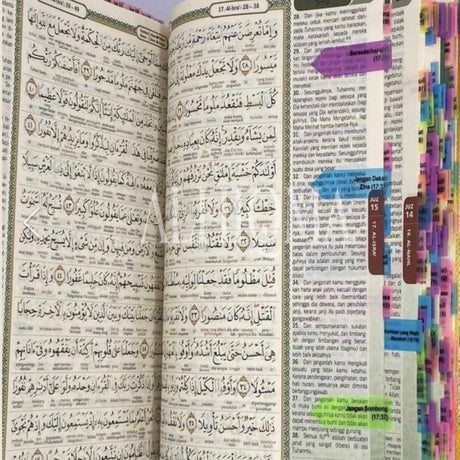
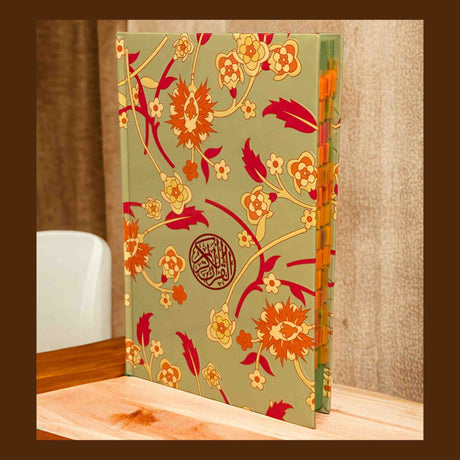
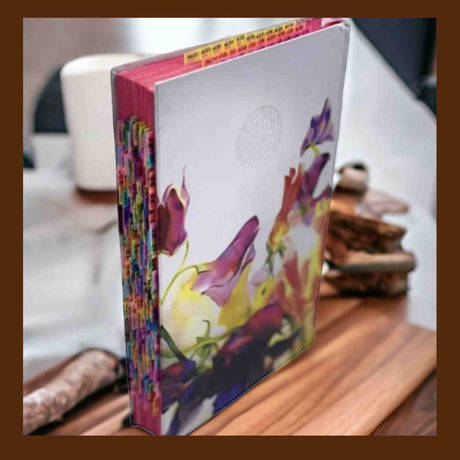
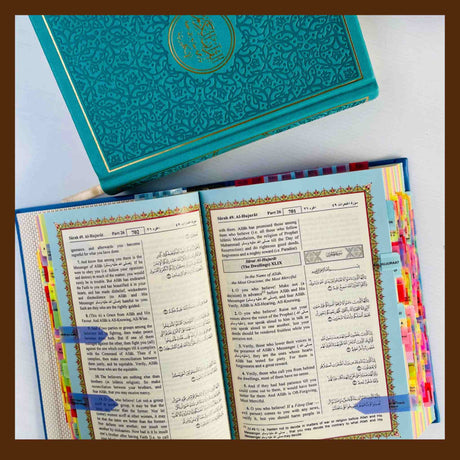
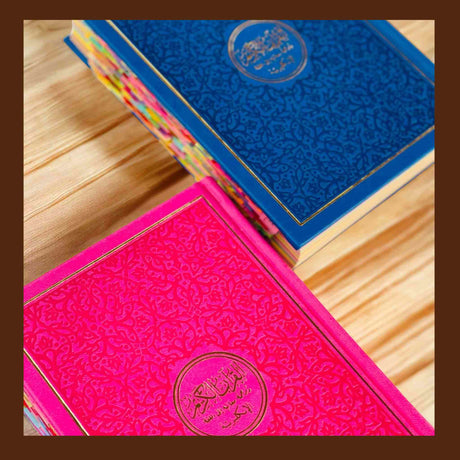
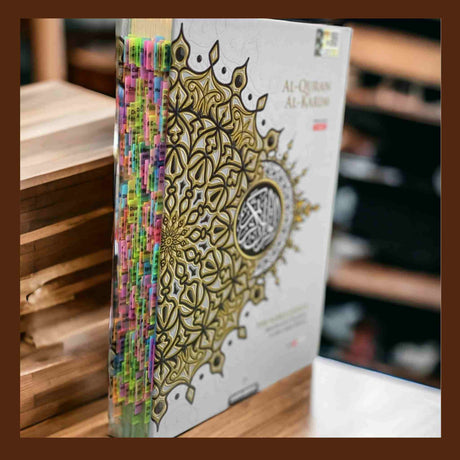
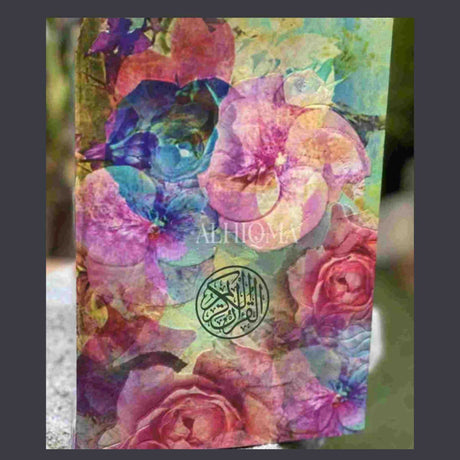
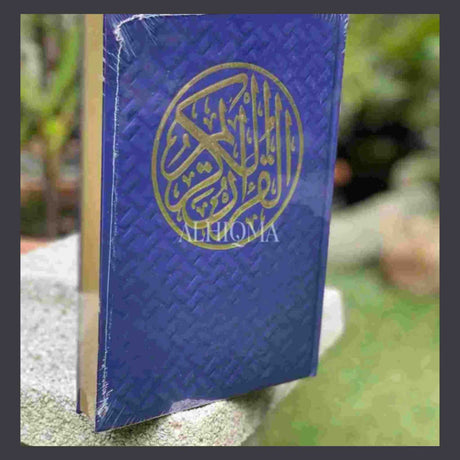
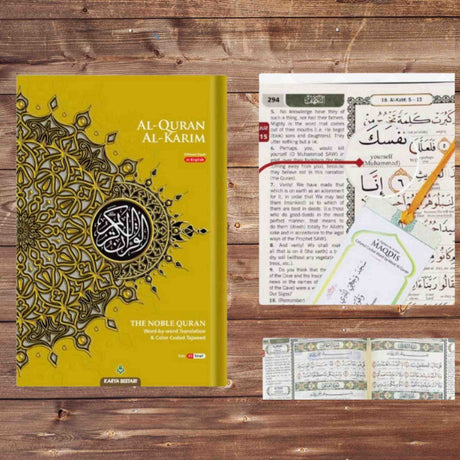
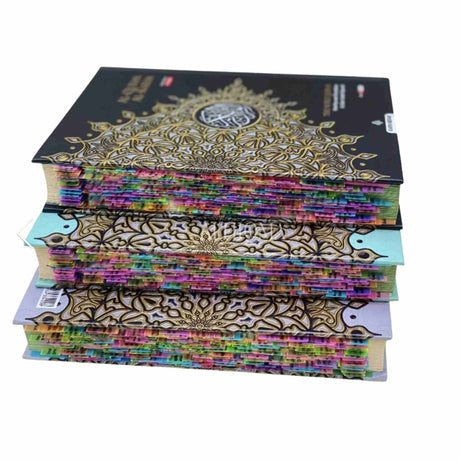
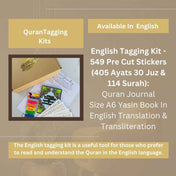
Begin your patience journey with meaningful spiritual practices. Explore AlHiqma's Al-Quran Collection and Quran Tagging Kits to support your daily reflection with authentic resources designed for contemporary Muslim homes. Our color-coded tagging system makes it easy to find and revisit verses about patience whenever you need spiritual guidance and strength.
We want to hear from you! How do you practice patience in your daily life as a Muslim parent or professional? What verses about sabr have helped you through difficult times? Share your patience experiences, family traditions, and spiritual goals with our AlHiqma community through our social media platforms. Your stories inspire and encourage fellow Muslims on their spiritual journeys—let's grow together in faith!