Key Takeaways
- Divine Promise of Increase Through Gratitude: Allah promises to increase His blessings for those who show gratitude, making thankfulness a direct pathway to receiving more favor and spiritual abundance in our lives.
- Gratitude as Active Remembrance: Being grateful to Allah is intrinsically connected to remembering Him, creating a reciprocal relationship where our gratitude invites Allah's remembrance of us.
- Few Servants Are Truly Grateful: The Quran reminds us that despite countless blessings, only a small number of Allah's servants maintain consistent gratitude, highlighting the spiritual discipline required to cultivate true thankfulness.
Here are some beautiful verses from the Quran that emphasize gratitude:
-
"And [remember] when your Lord proclaimed: 'If you are grateful, I will surely increase you [in favor]; but if you deny, indeed, My punishment is severe.'"
— Surah Ibrahim (14:7) -
"So remember Me; I will remember you. And be grateful to Me and do not deny Me."
— Surah Al-Baqarah (2:152) -
"And it is He who produced for you hearing and vision and hearts; little are you grateful."
— Surah Al-Mu’minun (23:78) -
"Indeed, We guided him to the way, be he grateful or be he ungrateful."
— Surah Al-Insan (76:3) -
"And whatever of blessings and good things you have, it is from Allah. Then, when harm touches you, to Him you cry aloud for help."
— Surah An-Nahl (16:53) -
"And We had certainly given Luqman wisdom [and said], 'Be grateful to Allah.' And whoever is grateful is grateful for [the benefit of] himself. And whoever denies [His favor] – then indeed, Allah is Free of need and Praiseworthy."
— Surah Luqman (31:12) -
"But few of My servants are grateful."
— Surah Saba (34:13)
These verses remind us that gratitude not only brings us closer to Allah but also opens doors to greater blessings and understanding.
Practical Applications for Daily Life
For Working Professionals
Begin your workday with a two-minute gratitude reflection before checking emails. As you settle into your desk or during your MRT commute, mentally list three work-related blessings—perhaps your colleagues' support, the skill you're developing, or simply the provision of employment. When facing workplace challenges, pause and recall Surah Ibrahim 14:7, reminding yourself that expressing gratitude for current blessings invites Allah's increase even in difficulty. Keep a small notebook to record one work blessing daily, transforming your professional environment into a space of conscious thankfulness.
For Parents Managing Multiple Responsibilities
Transform routine parenting moments into gratitude lessons by verbalizing your thankfulness aloud. While preparing meals, say "Alhamdulillah for this food Allah has provided." During school drop-offs, thank Allah for your children's health and education. Create a family gratitude ritual at dinner where each person shares one blessing from their day, teaching children that everything—from hearing to vision to hearts, as mentioned in Surah Al-Mu'minun 23:78—comes from Allah. This practice builds a household culture where thankfulness becomes as natural as breathing.
For Students and Lifelong Learners
Before opening your textbooks or starting exam revision, spend thirty seconds thanking Allah for your ability to learn, your access to education, and your functioning mind. When study stress builds, remember Surah Luqman 31:12's wisdom that gratitude benefits yourself first. Create gratitude bookmarks with these verses and place them in your study materials as visual reminders. After completing assignments or exams, immediately thank Allah for guiding you through the process, recognizing that both the ability and the guidance are His gifts.
For Those Facing Financial Challenges
During times of financial difficulty, intentionally practice gratitude for non-material blessings to maintain spiritual balance. Thank Allah for your health, family relationships, faith, and the guidance He has given you. Recall Surah An-Nahl 16:53, which reminds us that all blessings come from Allah, and that we naturally turn to Him when harm touches us. Start a gratitude journal focusing specifically on provisions you might overlook—clean water, shelter, the ability to pray, community support. This practice doesn't diminish your financial struggles but provides spiritual strength to navigate them while trusting in Allah's promise of increase for the grateful.
Frequently Asked Questions
Q: How can I develop consistent gratitude when facing difficult circumstances?
A: Gratitude during hardship is a spiritual discipline that requires intentional practice. Start by acknowledging that tests and blessings both come from Allah, as mentioned in these verses. Focus on listing even small blessings daily—your health, family, faith, shelter, or food. The Quran teaches that gratitude invites divine increase, so maintaining thankfulness during difficulty positions you to receive Allah's favor. Remember that gratitude doesn't mean ignoring pain; it means recognizing Allah's mercy alongside your struggles.
Q: What is the connection between gratitude and remembrance of Allah in the Quran?
A: Surah Al-Baqarah 2:152 directly links gratitude with remembrance: "So remember Me; I will remember you. And be grateful to Me." This verse reveals that gratitude and dhikr (remembrance) are interconnected acts of worship. When you consciously thank Allah for blessings, you are actively remembering Him. This remembrance creates a reciprocal relationship where Allah remembers you in return. Gratitude becomes a form of worship that keeps your heart connected to the Divine throughout daily life.
Q: Why does the Quran say "few of My servants are grateful" in Surah Saba 34:13?
A: This verse serves as both a reality check and a spiritual challenge. Despite receiving countless blessings—hearing, vision, hearts, guidance, sustenance—most people fail to maintain consistent gratitude. Human nature tends toward forgetfulness and taking blessings for granted. The verse encourages self-reflection: Are you among the few who truly appreciate Allah's favors? It's a call to rise above our default state of ingratitude and consciously cultivate thankfulness, distinguishing ourselves as servants who recognize and acknowledge divine generosity.
Q: How does gratitude lead to an increase in blessings according to Surah Ibrahim 14:7?
A: Surah Ibrahim 14:7 contains Allah's direct promise: "If you are grateful, I will surely increase you [in favor]." This divine principle works on multiple levels. Spiritually, gratitude opens your heart to recognize blessings you previously overlooked, making you aware of abundance already present. Practically, a grateful attitude attracts positive circumstances and relationships. Most importantly, Allah directly increases His favors to the grateful as a divine reward for acknowledging His generosity, creating an upward spiral of blessings and thankfulness.
Q: What practical steps can Muslim families take to teach children gratitude through these verses?
A: Create age-appropriate gratitude practices rooted in these Quranic verses. For young children, establish a bedtime routine where they name three things they're thankful for, explaining these came from Allah. Display beautiful calligraphy of Surah Ibrahim 14:7 in your home as a visual reminder. For older children, encourage gratitude journaling using the verses as weekly themes for reflection. Make Alhamdulillah a household phrase repeated throughout the day. Share stories of Prophet Luqman's wisdom about gratitude, helping children understand that thankfulness benefits their own hearts and draws them closer to Allah.
This article was written by Sheela M. Ahmed, founder and owner of AlHiqma, blending traditional Islamic teachings with contemporary Muslim experiences. Since establishing AlHiqma in 2018, she has been dedicated to helping Muslim families strengthen their connection to faith through authentic Islamic lifestyle education grounded in values from the Quran and real-life applications.
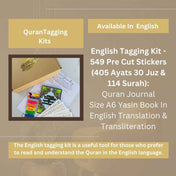
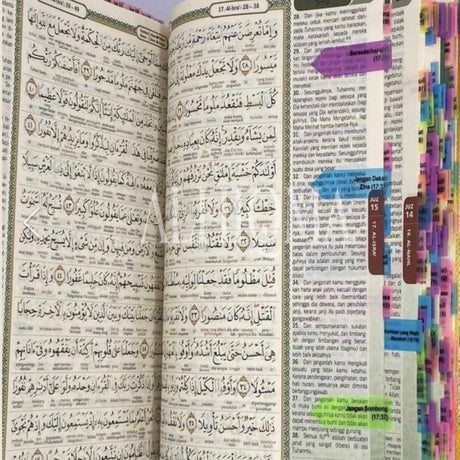
Begin your gratitude journey with meaningful spiritual practices. Explore AlHiqma's Al-Quran Tagging Collection to support your Quran study with authentic resources designed for contemporary Muslim homes, including color-coded tagging systems that help you easily locate and reflect on verses about gratitude and other essential themes.
We want to hear from you! How do you practice gratitude in your daily life? What verses about thankfulness resonate most with your personal journey? Share your gratitude experiences, family traditions, and spiritual goals with our AlHiqma community through our social media platforms. Your stories inspire and encourage fellow Muslims on their spiritual journeys—let's grow together in faith!