Key Takeaways
Effort is seen and rewarded by Allah: Every sincere striving for good is witnessed by Allah and will be fully recompensed, making even the smallest efforts meaningful and worthy of our best endeavors.
Change begins with personal action: Allah does not change a people's condition until they actively work to change themselves, emphasizing that perseverance and hard work are essential prerequisites for any positive transformation.
Balance worldly effort with spiritual focus: The Quran encourages working diligently for both this life and the Hereafter, maintaining resilience through worship and trust in Allah's plan while fulfilling our worldly responsibilities.
Here are several Quranic verses that encourage perseverance, hard work, and resilience in the face of challenges:
-
"And that there is not for man except that [good] for which he strives. And that his effort is going to be seen – Then he will be recompensed for it with the fullest recompense."
— Surah An-Najm (53:39-41)
This verse reminds us that we are rewarded for the efforts we put forth, encouraging us to strive for good and to work hard. -
"So be patient. Indeed, the promise of Allah is truth. And let them not disquiet you who are not certain [in faith]."
— Surah Ar-Rum (30:60)
Here, we are reminded to be patient and steadfast in our work, trusting that Allah’s promises will come true. -
"And whoever fears Allah – He will make for him a way out and will provide for him from where he does not expect. And whoever relies upon Allah – then He is sufficient for him. Indeed, Allah will accomplish His purpose."
— Surah At-Talaq (65:2-3)
This verse encourages hard work combined with reliance on Allah, reassuring us that He will provide and open doors we never expected. -
"Indeed, Allah will not change the condition of a people until they change what is in themselves."
— Surah Ar-Ra’d (13:11)
This verse emphasizes personal responsibility and effort, reminding us that change begins with our own actions. -
"So when you have finished [your duties], then stand up [for worship]. And to your Lord direct [your] longing."
— Surah Ash-Sharh (94:7-8)
This verse teaches resilience and dedication, advising us to continue working and seeking closeness to Allah even after completing one task. -
"And say, 'Do [as you will], for Allah will see your deeds, and [so will] His Messenger and the believers. And you will be returned to the Knower of the unseen and the witnessed, and He will inform you of what you used to do.'"
— Surah At-Tawbah (9:105)
This verse motivates us to work diligently, knowing that our efforts are witnessed by Allah, and we will be held accountable. -
"And seek the home of the Hereafter by that which Allah has given you, but do not forget your share of the world. And do good as Allah has done good to you."
— Surah Al-Qasas (28:77)
This verse advises us to work hard for both our worldly needs and our spiritual growth, achieving a balance between this life and the next.
These verses encourage us to put in sincere effort, trust in Allah, and maintain resilience, as our hard work and perseverance will ultimately be rewarded by Him.
Practical Applications for Daily Life
For Working Professionals
Start each workday by reflecting on Surah An-Najm (53:39-41) which promises that your efforts will be seen and rewarded, transforming your job into an act of worship when done with sincere intention. When facing difficult projects or workplace challenges, remember Surah Ar-Ra'd (13:11) that change requires personal action, motivating you to take initiative rather than waiting for circumstances to improve on their own. After completing major tasks, practice the guidance of Surah Ash-Sharh (94:7-8) by taking a brief moment for prayer or dhikr, maintaining spiritual connection throughout your productive day.
For Parents Managing Multiple Responsibilities
Apply Surah Al-Qasas (28:77) by balancing your efforts between worldly responsibilities like providing for your family and spiritual investments like teaching your children about Islam. When exhausted from endless household tasks and childcare, draw strength from Surah An-Najm (53:39-41) knowing that Allah sees every diaper changed, every meal prepared, and every bedtime story read as striving worthy of full recompense. Teach your children the principle of Surah Ar-Ra'd (13:11) by involving them in age-appropriate chores and showing them that improvement in any area starts with their own efforts.
For Students and Lifelong Learners
Approach your studies with the knowledge from Surah At-Tawbah (9:105) that Allah witnesses your academic efforts, making late-night study sessions and difficult exam preparation meaningful beyond just grades. When facing challenging subjects or disappointing results, trust in Surah At-Talaq (65:2-3) that Allah can open unexpected doors through your continued effort and reliance on Him. Between study sessions, implement Surah Ash-Sharh (94:7-8) by taking prayer breaks to renew your energy and redirect your longing toward Allah, maintaining spiritual focus alongside academic achievement.
For Those Facing Career Transitions or Unemployment
During job searches or career uncertainty, hold firmly to Surah At-Talaq (65:2-3) which promises that Allah will provide from unexpected sources when you maintain taqwa and put in sincere effort. Practice patience as commanded in Surah Ar-Rum (30:60) by trusting Allah's timing while actively applying for positions and building skills. Remember Surah Ar-Ra'd (13:11) and take concrete steps to change your situation through networking, learning new skills, or adjusting your approach, knowing that Allah's help comes to those who actively strive while trusting in His plan.
Frequently Asked Questions
Q: How does Islam balance hard work with reliance on Allah (tawakkul)?
A: The Quran teaches that true Islamic work ethic combines maximum personal effort with complete trust in Allah's plan. Surah At-Talaq (65:2-3) exemplifies this by encouraging reliance on Allah while also commanding consciousness of Him, which naturally leads to right action. The famous hadith teaches "tie your camel and trust in Allah," meaning we must do our part through diligent work, planning, and preparation, then surrender the results to Allah without anxiety. Surah An-Najm (53:39-41) promises we receive what we strive for, but Surah At-Talaq reminds us provision ultimately comes from Allah, often through unexpected means. This balance prevents both laziness and the stress of believing success depends entirely on us.
Q: What does Surah Ar-Ra'd (13:11) teach about personal responsibility and change?
A: This powerful verse establishes that Allah does not change a people's condition until they change what is within themselves, placing responsibility for improvement squarely on our own shoulders. This means waiting passively for circumstances to improve while making no personal effort contradicts Islamic teaching. Whether seeking better health, stronger relationships, financial stability, or spiritual growth, we must first examine and transform our own thoughts, habits, and behaviors. However, this verse also contains profound hope: it guarantees that when we genuinely commit to positive change through sincere effort, Allah's help and transformation will follow. Our internal change activates Allah's external transformation of our circumstances.
Q: How can Muslims stay motivated when hard work does not seem to produce immediate results?
A: Surah An-Najm (53:39-41) promises that every effort will be seen and receive full recompense, even if results are not immediately visible in this world. Sometimes the reward comes in the Hereafter, sometimes Allah is testing our sincerity and patience, and sometimes He is preparing us through the struggle itself. Surah Ar-Rum (30:60) commands patience and trust in Allah's promises when facing delays or setbacks. The key is maintaining quality effort with pure intention regardless of visible outcomes, as Surah At-Tawbah (9:105) reminds us that Allah witnesses all our deeds. Success in Islam is measured by sincere striving, not just worldly results, so continue your efforts while trusting Allah's perfect timing.
Q: What does it mean to "seek the home of the Hereafter" while not forgetting your worldly share?
A: Surah Al-Qasas (28:77) presents a balanced Islamic worldview where neither extreme monasticism nor pure materialism is encouraged. "Seeking the home of the Hereafter" means using your worldly resources, time, and abilities primarily to earn Allah's pleasure and prepare for eternal life through righteous deeds, charity, and worship. "Not forgetting your share of the world" means you should also work for halal provision, maintain your health, enjoy permissible pleasures, and fulfill family responsibilities. The verse teaches that worldly work becomes worship when done with the right intention and balance, where earning money to support your family or maintain your health serves your ultimate goal of pleasing Allah and succeeding in the Hereafter.
Q: How should Muslims apply the teaching in Surah Ash-Sharh (94:7-8) about continuing after finishing tasks?
A: This verse teaches resilience and continuous spiritual engagement rather than complacency after completing work. Practically, when you finish a major project at work, rather than becoming idle or distracted, immediately move to the next productive task or take that time for worship and reflection. The phrase "stand up for worship" means prioritizing your relationship with Allah even during busy, productive periods, not just when you have free time. "Direct your longing to your Lord" reminds us that ultimate satisfaction comes from Allah, not from worldly achievements, so after every accomplishment, consciously redirect your heart's focus back to Him through gratitude, prayer, or Quran reading, preventing spiritual neglect during successful or busy phases of life.
About the Author
This article was written by Sheela M. Ahmed, founder and owner of AlHiqma, blending traditional Islamic teachings with contemporary Muslim experiences. Since establishing AlHiqma in 2018, she has been dedicated to helping Muslim families strengthen their connection to faith through authentic Islamic lifestyle education grounded in values from the Quran and real-life applications.
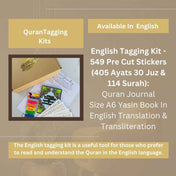
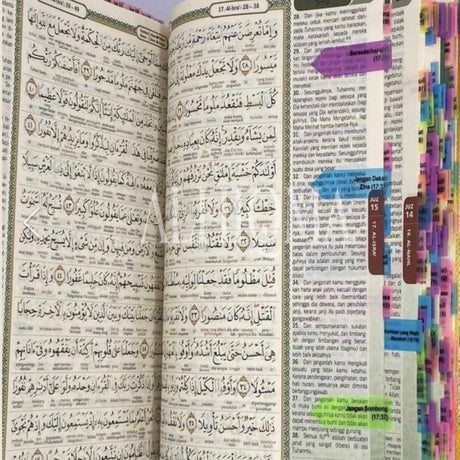
Strengthen your perseverance journey with meaningful spiritual practices. Explore AlHiqma's Al-Quran Collection and Quran Tagging Kits to support your daily motivation with authentic resources designed for contemporary Muslim homes. Our color-coded tagging system helps you easily find and revisit verses about hard work, patience, and reliance on Allah whenever you need encouragement to persist through challenges with faith and determination.
We want to hear from you! How do you balance hard work with trust in Allah's plan? What Quranic verses motivate you during difficult projects or challenging times? Share your perseverance stories, workplace experiences, and reflections on maintaining resilience with our AlHiqma community through our social media platforms. Your stories inspire and encourage fellow Muslims navigating their own journeys—let's grow together in faith!