Key Takeaways
- Good character begins with kind speech: The Quran teaches that speaking well to others forms the foundation of righteous behavior, making every conversation an opportunity to demonstrate Islamic values.
- Kindness transforms relationships: Responding to negativity with goodness, as emphasized in the Quran, has the power to turn enemies into close friends while pleasing Allah.
- Humility defines a believer's conduct: From avoiding arrogance to speaking gently, the Quran consistently calls Muslims to embody modesty and patience in all interactions.
Here are several Quranic verses that emphasize the importance of good character, kindness, and righteousness in a believer’s life:
-
"And speak to people good [words] and establish prayer and give zakah."
— Surah Al-Baqarah (2:83)
This verse encourages believers to speak kindly to others, highlighting that good character begins with kind and respectful speech. -
"The good deed and the bad deed are not equal. Repel [evil] by that [deed] which is better; and thereupon the one whom between you and him is enmity [will become] as though he was a devoted friend."
— Surah Fussilat (41:34)
This verse advises responding to negativity with positivity and kindness, showing that good character can transform relationships and foster harmony. -
"And lower your wing to those who follow you of the believers."
— Surah Ash-Shu'ara (26:215)
This verse uses the metaphor of “lowering your wing” to encourage humility and gentleness toward others, key traits of good character. -
"And hasten to forgiveness from your Lord and a garden as wide as the heavens and earth, prepared for the righteous. Who spend [in the cause of Allah] during ease and hardship and who restrain anger and who pardon the people – and Allah loves the doers of good."
— Surah Al-Imran (3:133-134)
This verse highlights patience, forgiveness, and generosity as attributes of the righteous, and it assures that Allah loves those who embody these qualities. -
"And do not turn your cheek [in contempt] toward people and do not walk through the earth exultantly. Indeed, Allah does not like everyone self-deluded and boastful."
— Surah Luqman (31:18)
This verse discourages arrogance and pride, urging believers to maintain humility and kindness in their interactions. -
"Take what is given freely, enjoin what is good, and turn away from the ignorant."
— Surah Al-A’raf (7:199)
This verse advises patience, encouragement of goodness, and avoidance of arguments, promoting peace and tolerance as virtues of a good character. -
"And be moderate in your pace and lower your voice; indeed, the most disagreeable of sounds is the voice of donkeys."
— Surah Luqman (31:19)
This verse advocates for humility and a calm demeanor, showing that good character also involves controlling one’s behavior and voice. -
"So by mercy from Allah, [O Muhammad], you were lenient with them. And if you had been rude [in speech] and harsh in heart, they would have disbanded from about you."
— Surah Al-Imran (3:159)
This verse praises kindness, gentleness, and leniency, reflecting that a good character draws people together, while harshness repels them.
These verses collectively underscore that good character is reflected through kindness, patience, humility, forgiveness, and respect for others, forming the core of an ethical, balanced life in Islam.
Practical Applications for Daily Life
For Working Professionals
Practice good character in your workplace by greeting colleagues warmly each morning, remembering that kind speech is an act of worship. When facing workplace conflicts or difficult conversations, recall Surah Fussilat (41:34) and respond to criticism with professionalism and grace rather than defensiveness. During stressful meetings when voices rise, embody Surah Luqman (31:19) by consciously lowering your voice and speaking calmly, establishing yourself as someone who maintains composure under pressure.
For Parents Managing Multiple Responsibilities
Transform parenting challenges into character-building opportunities by modeling the humility mentioned in Surah Ash-Shu'ara (26:215). When your child misbehaves, respond with gentle correction rather than harsh words, showing them that good character means controlling anger as taught in Surah Al-Imran (3:133-134). Create a family rule inspired by Surah Al-Baqarah (2:83) where everyone practices saying one kind thing to each family member daily, making good speech a habitual family practice.
For Students and Lifelong Learners
Apply good character in academic settings by avoiding arrogance about your achievements, remembering Surah Luqman (31:18) which warns against boastfulness. When group projects become tense or mates disagree, practice the patience and tolerance advised in Surah Al-A'raf (7:199) by encouraging goodness and stepping back from heated arguments. Let your peers see Islamic character through your humility in success and grace in setbacks, making you a living example of Quranic teachings.
For Those Navigating Difficult Relationships
When dealing with family members, neighbors, or acquaintances who consistently treat you poorly, implement the transformative advice of Surah Fussilat (41:34) by responding to their negativity with unexpected kindness. This might mean bringing food to a difficult neighbor, offering sincere dua for someone who gossips about you, or speaking respectfully to a relative who shows you contempt. Trust that Allah witnesses your good character even when others do not appreciate it, and remember that consistent kindness has the power to soften the hardest hearts.
Frequently Asked Questions
Q: What does the Quran say is the foundation of good character for Muslims?
A: According to Surah Al-Baqarah (2:83), good character begins with speaking kindly to people, establishing prayer, and giving charity. These three elements work together to shape a Muslim's behavior. Kind speech reflects our inner state and sets the tone for all our interactions, while prayer keeps us connected to Allah and conscious of His presence, and charity cultivates generosity and concern for others. When practiced together, they form a comprehensive approach to developing excellent character.
Q: How can Muslim parents teach their children about good character using these verses?
A: Start by making these verses part of daily family life rather than just abstract lessons. When your child speaks rudely, gently remind them of Surah Al-Baqarah (2:83) about kind speech. When siblings fight, teach them Surah Fussilat (41:34) by role-playing how to respond to meanness with goodness. Create visual reminders of key verses about humility and patience on your refrigerator or children's bedroom walls. Most importantly, model these characteristics yourself, as children learn character more from what they observe than what they are told.
Q: Why does the Quran emphasize responding to evil with good, and how is this practical?
A: Surah Fussilat (41:34) teaches that responding to evil with good transforms enemies into friends, which may seem idealistic but proves remarkably practical. When someone wrongs you and you respond with kindness rather than retaliation, you break the cycle of negativity and demonstrate strength of character that often disarms hostility. This does not mean accepting abuse, but rather choosing responses that reflect your values instead of being controlled by others' bad behavior. Over time, this approach creates healthier relationships and protects your own spiritual wellbeing.
Q: What specific behaviors show good character according to these verses from the Quran?
A: These verses identify several concrete behaviors: speaking kindly to everyone (Surah Al-Baqarah 2:83), responding to negativity with positivity (Surah Fussilat 41:34), showing humility and gentleness (Surah Ash-Shu'ara 26:215), controlling anger and forgiving others (Surah Al-Imran 3:133-134), avoiding arrogance in how you walk and talk (Surah Luqman 31:18-19), encouraging good while avoiding pointless arguments (Surah Al-A'raf 7:199), and treating people with leniency rather than harshness (Surah Al-Imran 3:159). These specific actions make good character measurable and achievable rather than vague.
Q: How can I develop better character when I struggle with anger or pride?
A: Start by recognizing that even Prophet Muhammad (peace be upon him) was praised in Surah Al-Imran (3:159) for his gentle character, showing that kindness is a choice we make with Allah's help, not just a personality trait. When you feel anger rising, practice the restraint mentioned in Surah Al-Imran (3:133-134) by physically stepping away, making wudu, or sitting down if standing. For pride, regularly reflect on Surah Luqman (31:18) and consciously practice small acts of humility like listening more than you speak, acknowledging others' contributions, and avoiding showing off your achievements. Ask Allah in your daily prayers to soften your heart and grant you beautiful character.
About the Author
This article was written by Sheela M. Ahmed, founder and owner of AlHiqma, blending traditional Islamic teachings with contemporary Muslim experiences. Since establishing AlHiqma in 2018, she has been dedicated to helping Muslim families strengthen their connection to faith through authentic Islamic lifestyle education grounded in values from the Quran and real-life applications.
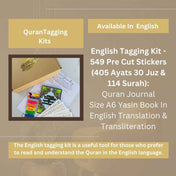
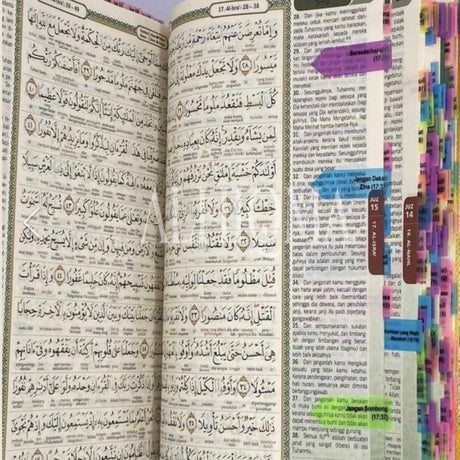
Deepen your understanding of Islamic character with meaningful spiritual practices. Explore AlHiqma's Al-Quran Collection and Quran Tagging Kits to support your daily reflection on good character with authentic resources designed for contemporary Muslim homes. Our color-coded tagging system helps you easily find and revisit verses about kindness, patience, and humility whenever you need guidance on embodying Islamic character.
We want to hear from you! How do you practice good character in your daily life as a Muslim? What verses about kindness and humility resonate most with your experiences? Share your character-building journeys, family traditions around teaching akhlaq, and personal reflections with our AlHiqma community through our social media platforms. Your stories inspire and encourage fellow Muslims striving for better character—let's grow together in faith!